
Elementary school in Vaughan
Elementary school taught in English, with small-group attention.
At Yes!School Gymnasium, English is the language of the school day. Children build reading, writing, speaking, math, science, and learning habits through Ontario curriculum work, with teachers close enough to see what each child needs next.
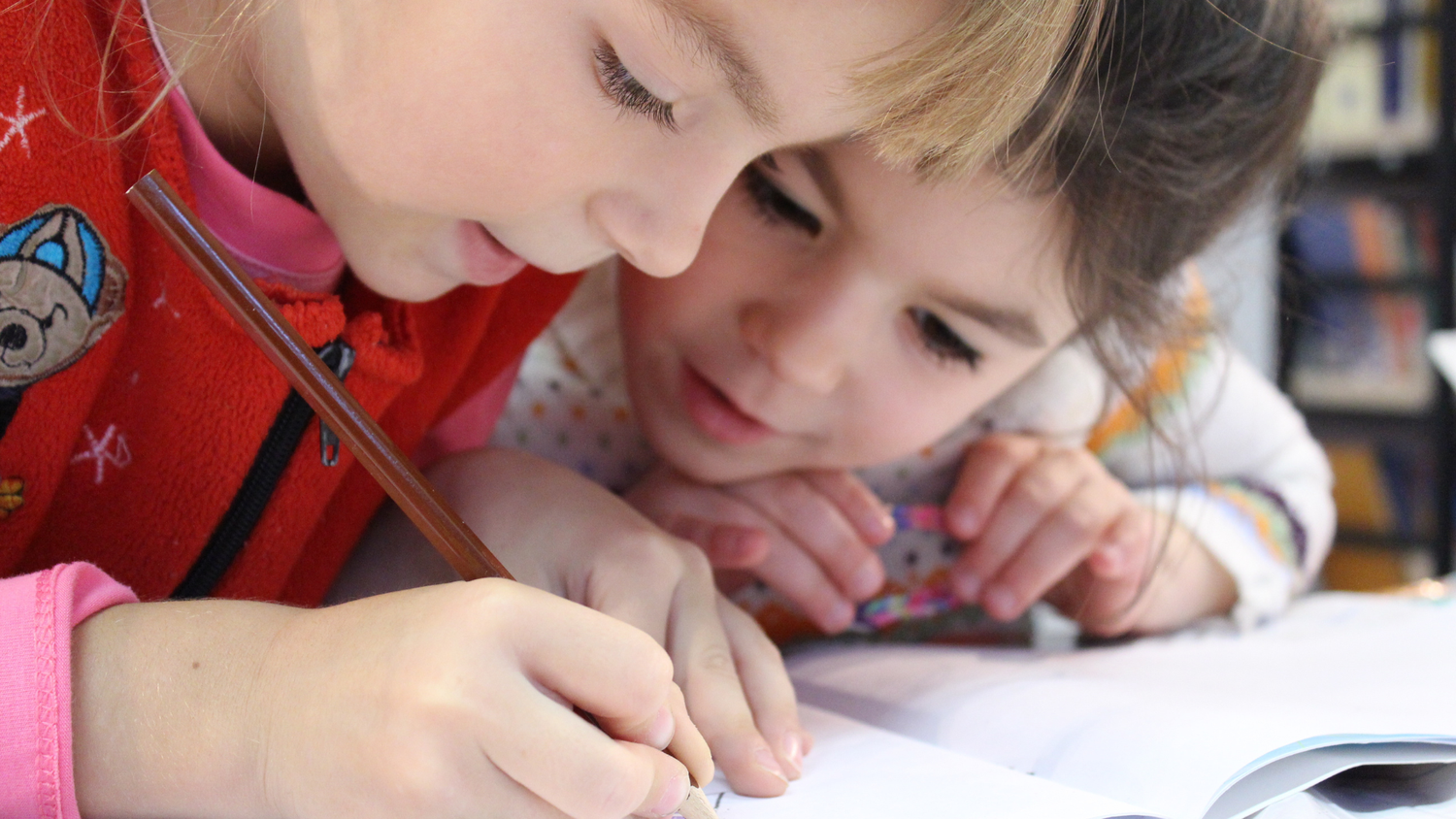
Students get chances to try, present, perform, and discover what they are good at.
English-first academics
Children learn the curriculum in English.
Elementary students work in English across the school day: reading, writing, speaking, math, science, discussion, presentations, and homework. French is included as an additional language subject, while English remains the foundation for learning and communication.
English literacy
Reading carefully, writing clearly, speaking with confidence, and explaining ideas in English.
Math and science in English
Reasoning through problems, experiments, observation, and applying what was learned using English classroom language.
French as an added subject
French is taught steadily, but it supports the program rather than replacing English instruction.
Homework with purpose
Homework is used for review, independent practice, application, and showing knowledge in new situations.
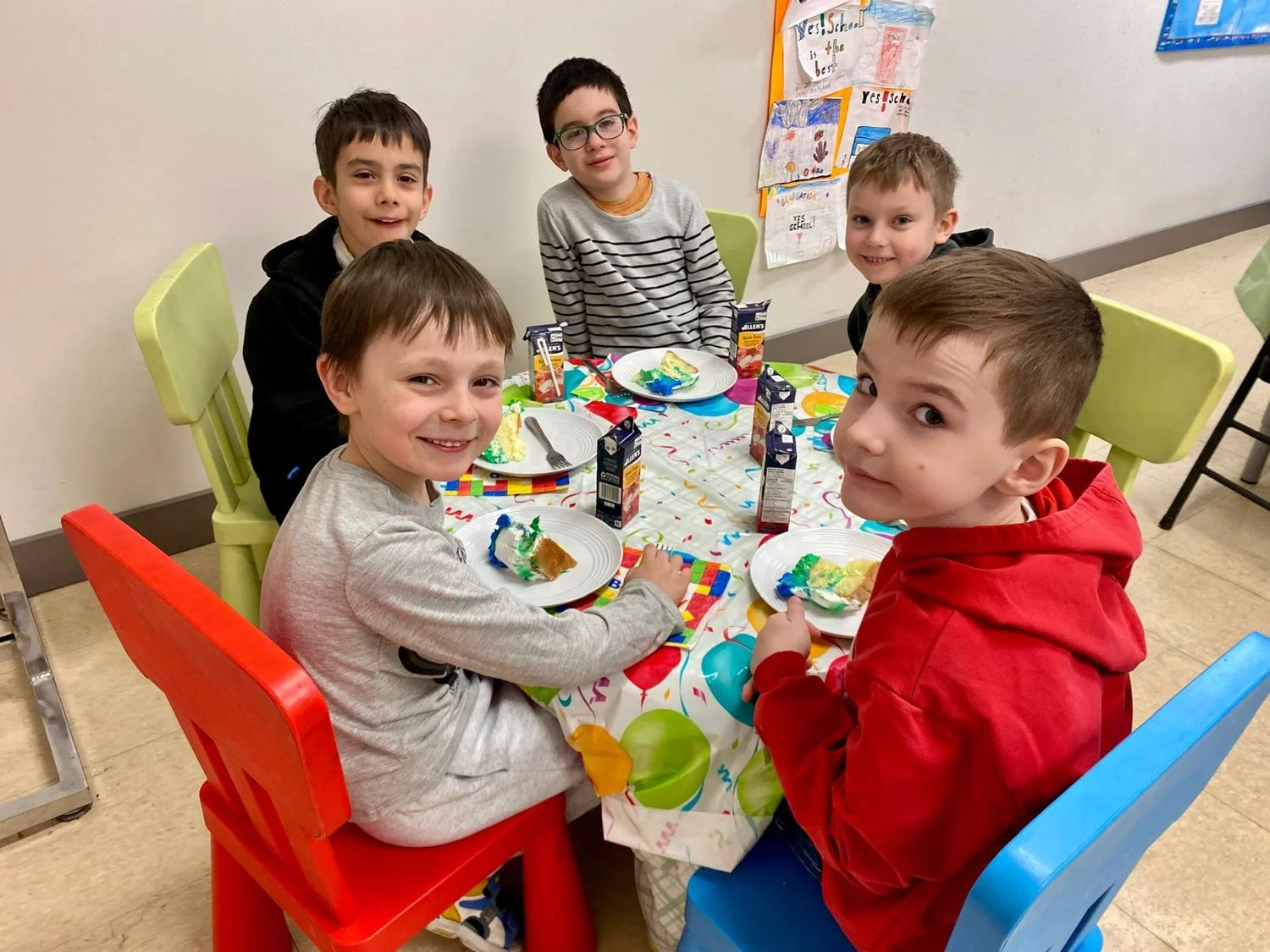
Individualized learning, inside a real class
Teachers know where each child is.
Small groups let teachers know where each child is, what they are ready for next, and where they need more time. A child ahead in reading is not held back. A child finding math hard is not left behind.
Soft skills, taught on purpose
These show up in every classroom every day.
Focus, persistence, listening, working with a partner, asking for help, recovering from a mistake. Yes!School Gymnasium treats these as skills to be learned, not personality traits children either have or don’t.
Focus
Staying with a task long enough to think, not just finish quickly.
Persistence
Learning what to do when the first try does not work.
Communication
Asking for help, listening, working with a partner, and presenting ideas.
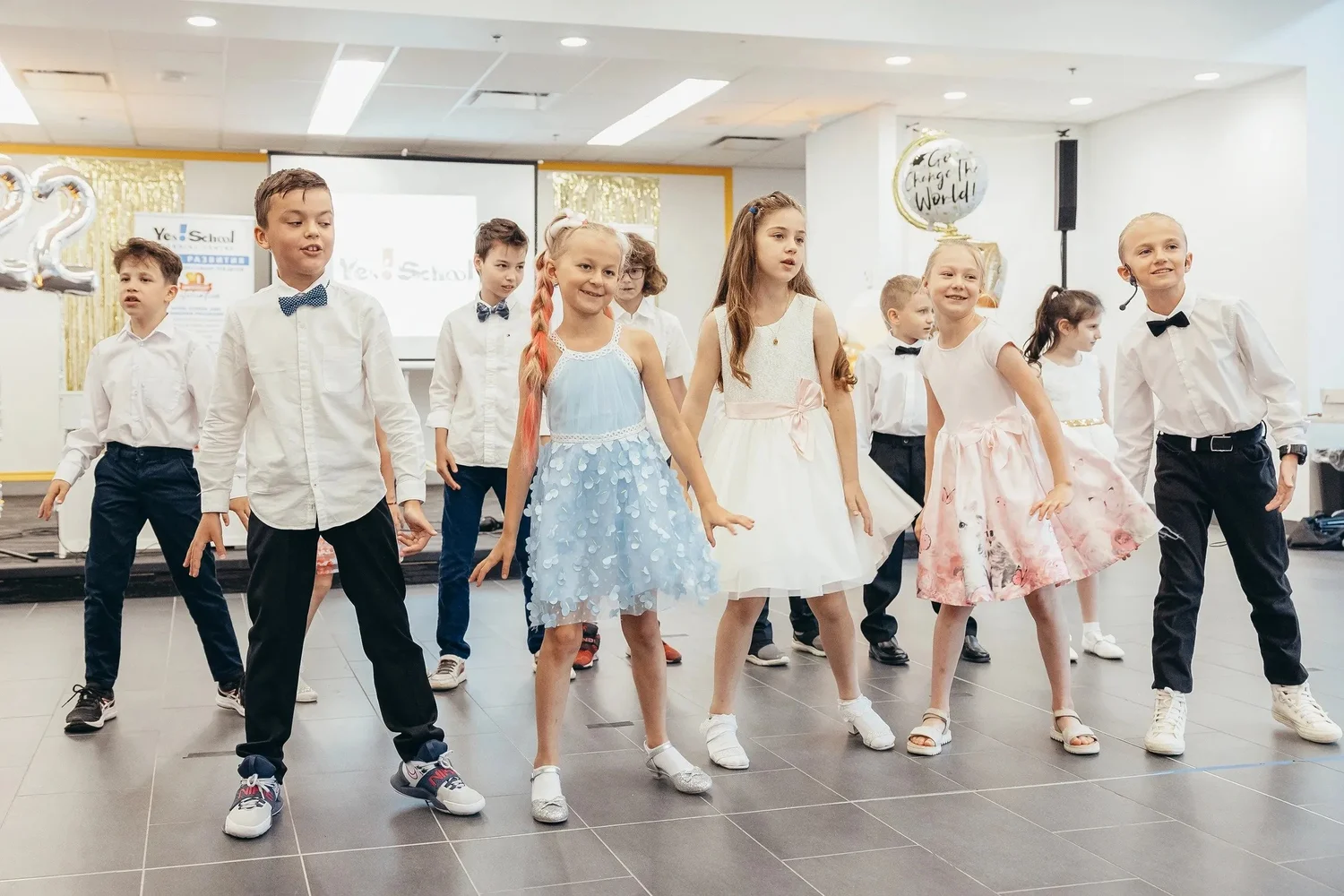
Room to discover what they are good at
Children need more than one way to be good at school.
Music, art, science experiments, presentations, and performance give students different ways to practise focus, confidence, communication, and follow-through in English.
Support beyond the lesson
Children learn better when the day is looked after.
Nutritious hot lunches, fresh snacks, complimentary early drop-off, and after-school care give families practical support and help children come to class ready to learn.
Feedback parents can use
Regular educational feedback, monitoring, individual support, report cards, and parent-teacher meetings help families understand progress clearly.
One educational system
A single educational system can support academics, interests, soft skills, and after-school programs with less extra logistics for parents.
Parent reviews
Read what current families say.
Book a visit
Tell us about your child and what you are looking for.
Ask how English instruction works day to day, how class size affects attention, what homework is for, and how teachers support children who are ahead, behind, or losing confidence.
Share the context
Grade, English level, strengths, concerns, and goals.
Arrange a visit
The school follows up with practical times.
Meet the school
See the rooms and speak with the director.
Ask practical questions
Leave with a clearer picture of the school day.
FAQ
Elementary questions parents ask before visiting.
Which elementary grades are offered?
Ask during your visit so the school can confirm the current options for your child’s age and grade.
Is instruction in English?
Yes. Elementary instruction at Yes!School Gymnasium is in English, with home-language support when it helps a child understand and stay connected to learning.
Does Yes!School Gymnasium follow Ontario curriculum?
Yes. Yes!School Gymnasium teaches Ontario curriculum in English and strengthens the core foundations: reading, writing, speaking, math, science, learning habits, and communication.
How are different levels supported?
Small groups let teachers see where each child is, where they need more time, and what they are ready for next.
What happens beyond academics?
Children can build through art and music, soft and learning skills, interest-based programs, performances, holidays, olympiads, and school traditions.
Give your child a confident start