
Learning
What your child learns, and how a day is spent
The Ontario curriculum, taught in English in groups of up to five. Below: each subject, the day hour by hour, the after-school club, and what we ask of parents at home.
Subject by subject
Choose an area to see what it covers, a question to ask your child about it, and one way to help at home.
Ask your child
What did you read today, and what happened in it?
What your child learns
Reading, writing and speaking every day. Books matched to each child's level, their own stories, and explaining ideas out loud.
- English Language Arts
- English Literature
- Calligraphy
How you can help
Have your child read to you for ten minutes before bed, in any language.
Ask your child
What was the hardest problem today? How did you solve it?
What your child learns
Math comes first in the morning: numbers, patterns and problem solving, then logic games or chess.
- Advanced Mathematics
- Logic games
- Neurogames
How you can help
Count real things together: change at the store, stairs, minutes until dinner.
Ask your child
What did you test or build this week?
What your child learns
Biology, physics and chemistry through experiments. Geography and history through stories, maps and discussion.
- Science
- Social Studies
- STEM: DIY and simple machines
How you can help
When your child asks "why?", ask what they think first.
Ask your child
What new French word did you learn?
What your child learns
French every week at your child's level: listening, everyday words and simple conversation.
- French
How you can help
Ask your child to teach you one French word a week.
Ask your child
How did you remember that?
What your child learns
Memory techniques, planning, organizing work and checking it.
- Learning Techniques and Strategies
- Afterschool and Homework Club
- Learning profile assessment (with your consent)
How you can help
Look through the week's work together once a week.
Ask your child
What did you make or practise in music or art?
What your child learns
Music, drawing, drama and crafts each week, plus active games and stretching, so the day isn't spent sitting at a desk.
- Music
- Visual art
- Drama
- Handicrafts
- Active games
- Mindfulness and stretching
- Wellness and social-emotional skills
How you can help
Ask to see the week's artwork and put one piece up at home.
Optional programs
Extra programs for children who want more, at an additional cost. Some take place during the school day, others after school or on Saturdays. Most children choose one or two.
Loves to move
Dance and rhythm During the school dayYES!Tennis New
Loves numbers and puzzles
Neuro mental mathYES!Chess New
Loves to make and invent
Invention (TRIZ)Art Lab Kakadu Saturdays
Loves music
Private piano lessonsYES!Drums New
Should keep their Russian
Russian school Wednesdays and Fridays
Has big ideas
Big Boss Academy
A day at Yes!School Gymnasium
Focused lessons alternate with meals, movement and time outside, so children still have energy at the end of the day. Tap any part of the day.
Weekdays, 8:30 to 6:00
8:30 to 9:00
Care, optionalBefore-school care
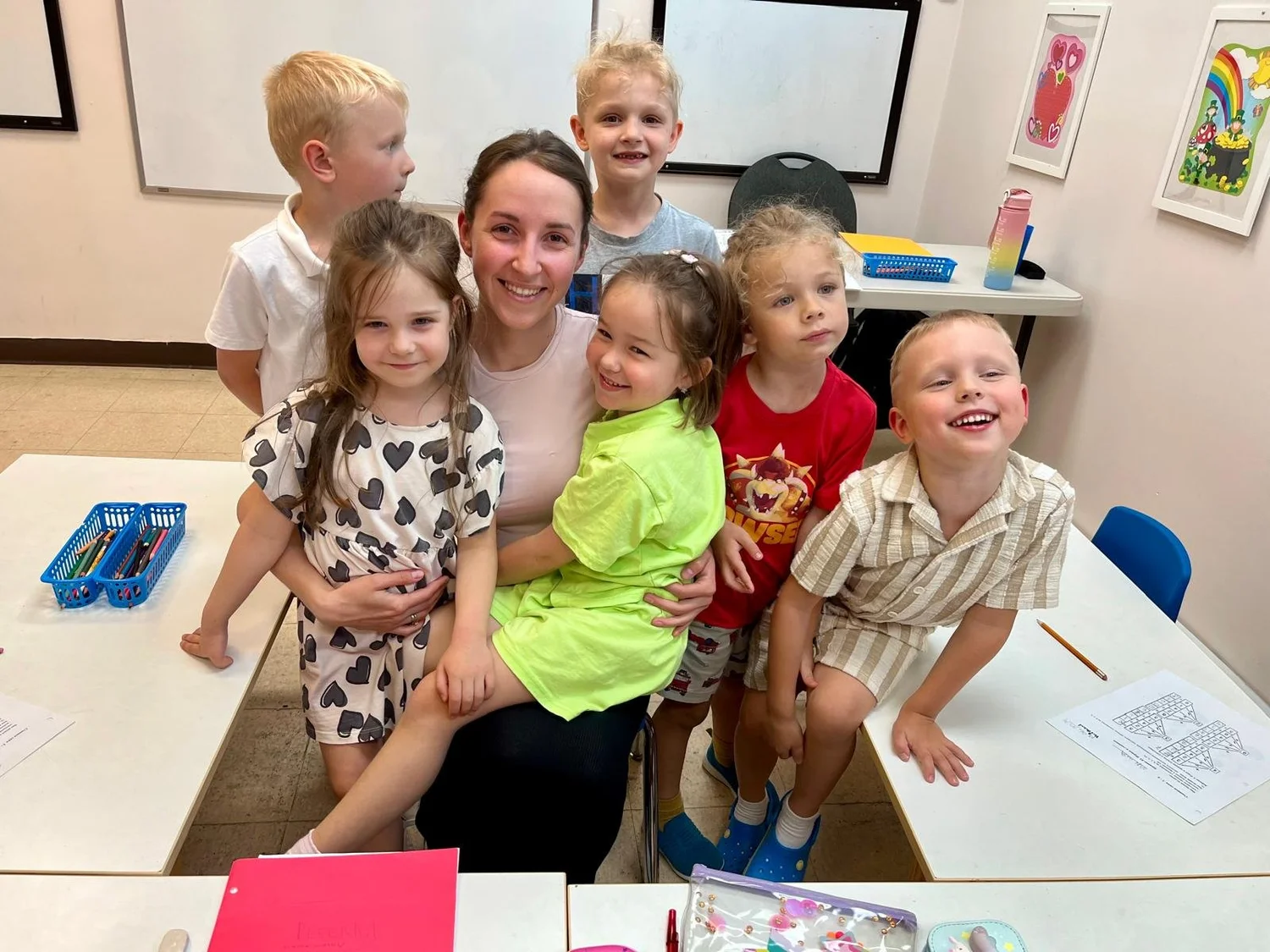
Children arrive, play quietly and read while families drop off.
9:00 to 9:15
LessonsMorning circle
Goals for the day, the calendar, news and the word of the week. Everyone starts together.
9:15 to 10:00
LessonsMath, then logic or chess
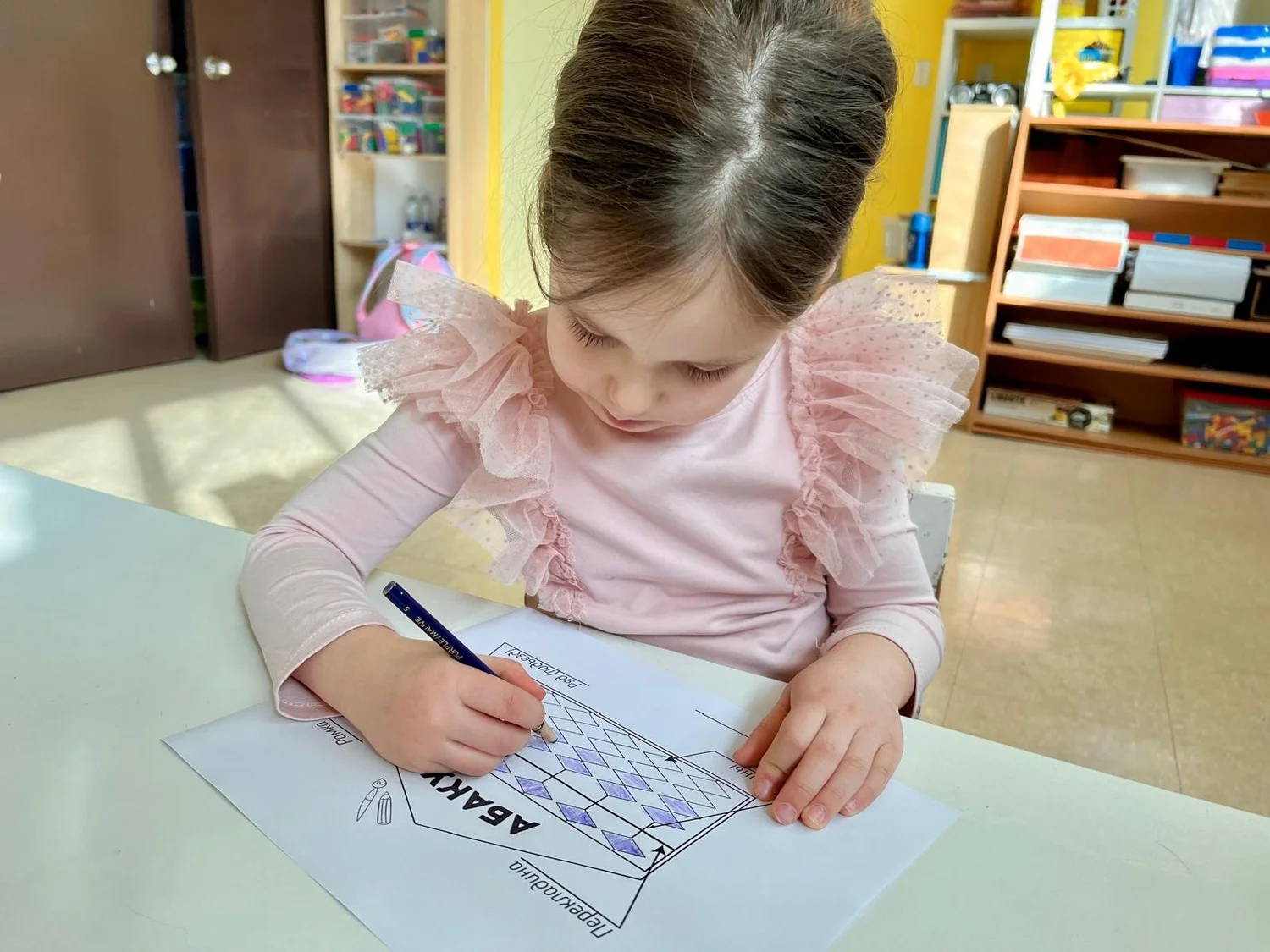
The sharpest part of the morning goes to reasoning: numbers, patterns, logic games and chess.
10:00 to 10:15
FoodMorning snack and a movement break
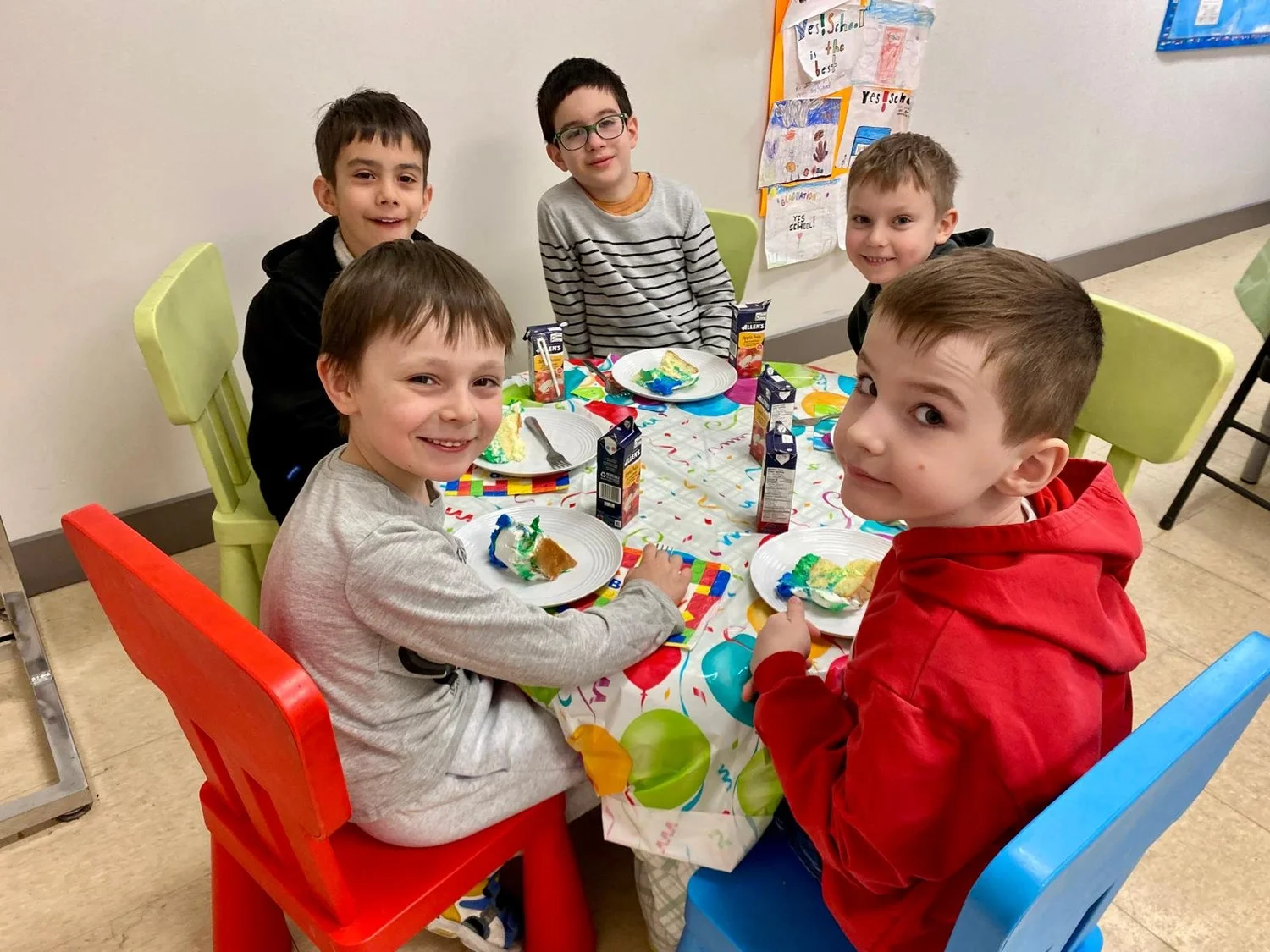
Fresh food and ten minutes to move before the longest lesson of the day.
10:15 to 12:35
LessonsEnglish, science and social studies
Reading, writing, experiments and discussion, all in English, in groups of five.
12:35 to 1:05
FoodHot lunch
Soup, then a main dish. Children eat together, slow down and reset.
1:05 to 2:35
CreativityFrench, music and art
French, singing, drawing and drama: more ways to practise, express and communicate.
2:35 to 3:30
MovementPhysical education and recess outside
Running, games and fresh air before the last part of the day.
3:30 to 3:45
FoodAfternoon snack and quiet reading
A calm end to the school day.
3:45 to 6:00
Care, optionalAfter-school care
Optional. Homework club with the after-school teacher, or other programs, until 6:00. Russian, chess and art at the Learning Centre down the hall.
Tuition covers 9:00 to 3:30. The after-school club and the meal plan are optional. We go over both on the first call.
After-school club, 3:45 to 6:00
We recommend the after-school club
The school day ends at 3:30. Children who stay are looked after by an after-school teacher who helps each of them with homework until you arrive.
- The same teacher every day
An after-school teacher who knows your child and what the class covered that day.
- Homework with help
Children do their homework with the teacher, so most of it is done before you get home.
- Fresh air and a snack first
Recess outside from 2:35 to 3:30, then an afternoon snack before homework.
- Pick up any time until 6:00
You don't need to leave work at 3:30.
What we ask of you at home
You don't need to teach in the evenings. Most of the work happens at school; here is the small part that helps at home.